Thursday, March 19, 2015

Why LED Light Bulbs Are Smart Investments?

It’s no more a secret that LED or Light Emitting Diodes are ruling the lighting industry and will be the future of lighting. Tests on LED lighting have always been able to prove that they can save more than 65% of energy consumption and for a better output. LEDs further don’t generate any form of heat in the process and are also considered to be Eco-friendly alternatives. There are several reasons that make LED’s a smarter investment than other lighting alternatives.


1. Longer Life


LEDs present the advantage of having the longest life. Their operational life expectation can be a monstrous 100,000 hours. This is actually more than 11 years of continuous operation, 22 years if you use 50% if its capacity every day. It will basically take you a lifetime before you would need to change your LED fixture.

2. Energy efficient 

Compared to conventional CFL, LEDs can save more than 80% on illumination. Incandescent bulbs on the other hand, just use 20% of the energy to produce light and the rest is wasted in other forms. Consequently, you would be saving more with an LED light. The savings can be further multiplied with the longer life span of the bulbs. 

3. Durability
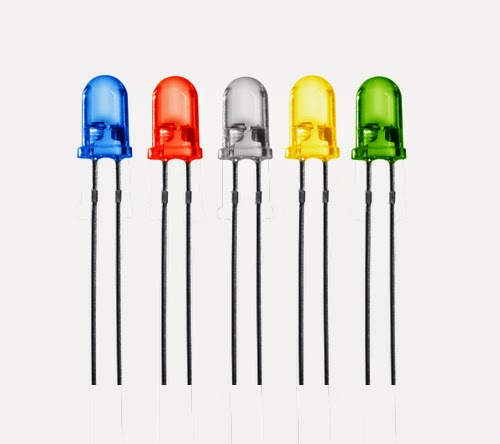
LED lights are built with highly sturdy components that will be able to withstand even the most rugged environmental conditions and rough usage. LED lights are made to be shock resistant and thus make a great choice for outdoor lighting. 

4. Flexibility Of Design

LED bulbs can be molded into any shape, either to match a décor or offer a better spread of the light. Individual lights can also be integrated with dynamic controls that adjust the brightness, distribution and color. Well designed bulbs can create great lighting arrangement, not just for the space but also for your mood. 

5. Operational In Extreme Temperatures

Be it a desert or the Polar Regions, LEDs can work in any condition without any affect on the quality of illumination. Consequently, they are used in outdoor settings against elements like wind, snow, rain and dust. 

6. Instant Lighting

Opposed to CFL systems, LEDs light up quickly presenting a thorough illumination. This is the reason they have found high demands in the street lights, infrastructure projects and signal lighting. Also, frequent switching off and on doesn’t quite affect the lifetime of the bulb. 

7. Works In Low Voltage

Since LED lights use 80% (or more) of the electricity that is passed through it, it can provide sufficient illumination even during low voltage conditions. Many people actually connect LED bulbs to solar power sources to light up spaces. 

8. Light Focus
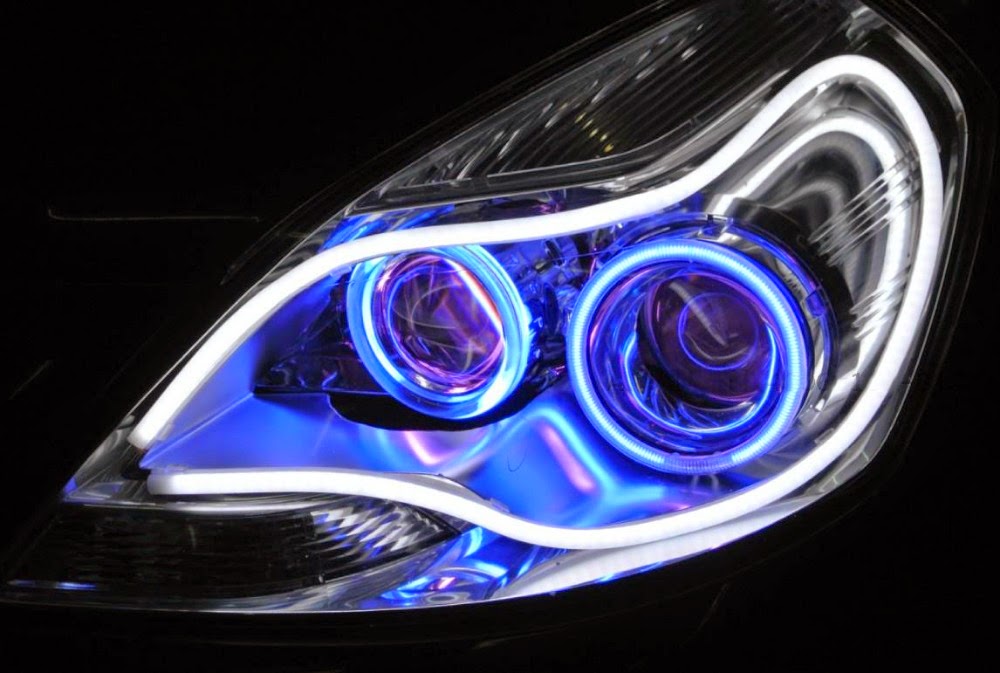
LEDs have been designed to concentrate the light into a small region of the bulb, and offer a stronger beam. This is why LED illumination is being increasingly used in the automobile industry. Directional lighting makes LED a great choice over traditional halogens in this case. 

9. Eco Friendly

Last but not the least; LED lights are highly eco friendly. The bulbs are free of any kind of toxic chemicals that might ruin a landfill. On the other hand, conventional fluorescent bulbs contain substantial amounts of mercury that can be disastrous for the environment. Led lights are 100% recyclable and helps reduce the carbon footprints for both home and commercial spaces. The longer operational life of the bulbs also meant that it can save a lot in material and production. 


Share

Saturday, March 7, 2015

Is Oled Lighting Better Than Led?

OLED isn’t exactly a new technology anymore. OLED or Organic Light Emitting Diode integrates organic compounds that lit up when fed with electricity. While there isn’t much of a difference between OLED and LED (simply, Light Emitting Diode), OLED’s are remarkably flexible, consume even less power and every organic pixel works independently. LEDs use blue semiconductor diodes in combination with yellow phosphor to emit light but OLED lighting technology comprises of a semiconductor material that is sandwiched between electrodes. OLEDs present the advantage of being put into a variety of devices and surfaces, including glass, metal, plastic. Since each pixel lights up independently, the light source isn’t from a single point but rather radiates throughout, creating a smoother experience. According to the latest market statistics, OLED lighting will grow up to a $1.3 billion market by 2023.


Difference Between Oled And Led Lighting

If you are looking to get an answer as to which is a better technology, there would be several factors counting in. In reality, OLED technology still has a long way to go before it catches up with the pace of LED. Further, LEDs offer more energy efficiency at just a fraction of the cost. LED light bulbs can be designed to emit concentrated lights that can travel to longer distances than OLEDs. LED fixtures are being used globally and are supposed to be the best answer for spot lighting. 

OLEDs on the other hand are more like natural sunlight and soft/diffused illumination. This is also the reason, OLED lighting technology has been able to bring out superior/truer colors of the surrounding and consequently have found us in TV illumination technology. OLED scores 90 on the scale for color rating index. The maximum in this scale is hundred, the rating for sunlight.

OLED also presents an advantage over LED when it comes to wider lighting arrangements. By nature, OLED lighting comes in a panel allowing for wider distribution of lights without the need for extra components that scatter light. Since OLEDs provide a diffused light source, there is minimal glare or harsh shadows. LEDs in this aspect work as a concentrated light source and creating strong beams that light up smaller areas.


Oleds As Lighting Technology

Practically put, OLEDs can never replace LED technology for lighting. If OLEDs will be used in light bulbs, it would require increased amount of lighting and consequent heating up the organic elements which are quite sensitive. As a result they will degrade fast and the lifetime of the bulbs would be quite limited. Again, the light intensity/brightness produced by a single LED bulb is equal to three OLED panels. As a result they cannot be used in spaces that need proper lighting. OLED lighting technology is best used for decorations and filling up corners. 


Where To Use OLED Lights?

As we have already learned, OLEDs are soft light and cannot be used in conventional lighting arrangements. However, they can be used as filler light to produce more details. OLED lighting technology is used in desk lamps and several kinds of workstations. Also, OLEDs are comparatively cool to touch and can be positioned near seats, above kitchen counters and spaces that are more likely to get physical proximity. 

Last but not the least, OLED is still an expensive technology. Lighting fixtures made from OLED can cost multiple times the cost of LED alternatives. OLED is a beautiful alternative but yet to get fully functional.


Share

Friday, February 20, 2015

Top 10 Lighting and LED Trends For 2015

Leading Analytics Company, HIS, has revealed 10 trends that will shape the lighting and LED industry of 2015.  These trends are believed to lower down the cost of LED in this year and could lead to improved margins. 


The Top 10 Predictions Are Here:

1. China—The LED Dragon—Will Continue To Grow

While maintaining their low pricing, Chinese companies have to improve the quality to compete with the emerging international markets.


2. Sky Is The Limit Of Cloud-Based Smart Lighting

Cloud-based smart lighting will gain good market share in the year 2015.


3. Changing Fortunes For Lighting Companies Expected In 2015

Re-organisations and changes in corporate structure will increase the margins. Due to the positive market growth, it is expected that LED’s will be available at lower costs. 


4. Li-Fi, A Brighter Way To Communicate

Visual Light Communication (Li-Fi) is predicted to make its way this year. It might be possible that we will see some good commercial projects using this emerging technology this year.


5. Is Lighting Poised For A Quantum Leap?

QD-LEDs still have a long way to go. We will keep an eye on this trend as QD-LEDs are supposed to replace OLED displays this year.


6. OLED Luminaries, And Where To Buy Them

Companies are set to offer premium range of OLED luminaries this year which will eventually create interest. Good signs of growth for OLED industry.


7. LED Filament Bulbs

These bulbs combine the benefits of LED lamps with the familiar design of incandescent bulbs. At the end consumers will decide whether this trend will be in limelight in year 2015 or not.


8. Packaged LED Industry Is Moving Downstream And Getting Smarter

Smart lighting sensors will be a key trend in 2015. 


9. Is your streetlight all that it seems?

Small street lighting project will moved towards city-wide installations.


10. Automotive applications driving optoelectronic component market 

This will be a good year for optoelectronic component suppliers who are focusing on the automotive industry. 

Stay connected for more updates.


Share

Wednesday, February 18, 2015

How Much Fuel We Need For A Year?

Electricity has become the most important necessity to accomplish our day to day tasks. Without electricity offices and households can’t go a minute. Average energy consumption of a UK Household in 2013 was 4,170 kWh. It is not only about the comfort but work too.

As the energy consumption is increasing rapidly throughout the world, Auto LED Shop is created this infographic to show how much energy whether electrical, coal, nuclear or otherwise is needed to power up a house for month. 


Share

Tuesday, February 3, 2015

Find The Right LED Bulb for Your Car in Just 3 steps


A light-emitting diode (LED) is a semiconductor device that emits visible light when an electric current passes through it.

Soviet inventor Oleg Losev reported the creation of the first LED in 1927 but no practical use was made of the discovery for several decades.

LEDs are at the forefront of the new trend in lighting technology. They are highly efficient with energy-saving benefits when used around the home. 


LEDs are also used in applications as diverse as aviation lighting, automotive headlamps, traffic signals and camera flashes. 


So Why Choose LED?

LED light bulbs are super-efficient. While in use they reduce energy consumption significantly thus reducing your electricity bills. LED bulbs only use 10% of the electricity that other bulbs were using before to provide the same amount of light, meaning they also last longer. 

While you are saving on your electricity bill, you are also reducing your carbon footprint. Electricity is usually produced by burning fossil fuels which release greenhouse gases into the atmosphere. By using less electricity with LED bulbs, you use less fossil fuel.

80% of energy for electricity is wasted on heat. LED bulbs are known for their cold lighting because they utilise up to 90% of energy provided.

To sum up:
•    Highly efficient
•    Reduce electricity bills
•    Environmental benefits
•    Long lasting

We are the market leader in LED upgrade bulbs, and we have experience and expertise in the automotive lighting sector for over 5 years. We aim to bring you the latest and brightest LED bulbs of the highest quality at competitive prices.

On the homepage of our website, you can find the correct LED bulb for your car in three simple steps:


You can upgrade all of your lights, some of them or just one of them if you have upgraded already.

Visit our website for more details.


Share

Monday, January 19, 2015

10 Top Reasons To Switch To LED Lighting Today

Everyone knows the fundamentals and basic reasons for choosing LED lighting over any other traditional lighting. You can also find the financial and environmental benefits of switching to LED bulbs by simply browsing the internet. Here we are going to discuss few less known reasons of choosing LED lights.


1. Depending on the number of bulbs per strand, with LED lights you can run approximately 20 strands end to end. This saves you the number of 3 way splitters and extension cords. While using these lights at any occasion you don’t need to worry much about the extensions because you can accomplish the task using the extension cords you already have, you don’t need to buy extra. 

2. When installing large amount of lights in commercial setting, working with LED’s is a lot easier option compared to incandescent bulbs.

3.  Unlike incandescent bulbs LED lights are less likely to cause fire. If you are considering electrical safety and want more light than LED is the perfect choice.

4. They are made of extremely durable hard plastic so you don’t need to think twice while putting them on the ground. 

5. Unlike incandescent mini lights, LED’s don’t rust out of the socket when water gets into the socket. They are overall more durable than any other traditional lamp.

6. They don’t start to dim because of voltage drop. LED lights can accept a large range of voltage variation and are perfect choice for Christmas lighting as well.

7. LED lights are deeper, richer and more vivid; consumers like the blue LEDs a lot. They are made of diode so they don’t need to be dipped into paint to produce colors.

8. LED light bulbs help you reduce your carbon footprints.  

9. There are LED lamps for almost every occasion like Valentine’s Day, wedding light, Halloween lights etc.

10. They are easy to use, energy efficient and are replacing all the traditional lighting systems.


Share

Tuesday, January 6, 2015

What To Do After An Accident?


It is always best to drive safe and be steady on the road, but accidents don’t come invited. However, in case you have met with one, it is important that you follow certain guidelines and take the right steps. In situations like this, it becomes quite hard to think about what to do next.  Clearing your mind will not only help the authorities resolve the issues faster but also come to a sensible conclusion. Here are the important steps to be taken by every driver in the UK if he/she is involved in an accident.


1. Determining Extent Of Injuries / Damages


The first step that you should take after an accident took place is that you should help the accident victims and determine the extent of their injury. While panic is obvious, it is best for both the injured and other persons involved in the accident to stay calm and seek immediate medical attention.


2. File A Report With The Police 


If the cops haven’t arrived yet, go to the nearest police station and get a case registered. It is important to report even the minor accidents to avoid legal consequences. Also, don’t try to leave from the site of accident until the police files the report and completes all the obligations. 


3. Discuss The Details Only With The Police 


Don’t divulge intricate details of the accident to anyone except the police personnel. Obviously, an accident site attracts a lot of crowd and everyone will be asking the same questions and some may even try to investigate you. But it is very important that you avoid talking to the public. This also includes not claiming or admitting any liability or fault. After the police gets to know the situation, the next people you should be talking to are your insurance company professional.


4. List The Facts 


Explaining the accident in detail requires you to list everything that has happened pre and post the accident. It is common to forget and misread but this is also why you need to keep a clear mind and do not entertain the crowd. Apart from the details of the accident, you also need to accurately place addresses, phone numbers, names and details of the people involved in the accident, car description, description of other events that led to the accident and facts. If you are planning to reimburse your insurance, providing the license plate number won’t suffice. Most insurance companies don’t even keep the record. You need to completely describe the vehicle in question. 


5. Call The Insurance Agent


After the medical investigation is done and police has been dealt with, it’s time to inspect the material damage. Call the insurance company to the accident scene. This will be quite helpful because the police officials will be in a better situation in providing the information. Also, calling the agent directly to the scene will save you a lot of time and money. 

Among the vast majority of the road accidents that happen in the United Kingdom, most of them are minor events and don’t result in casualties. However, there have been few misfortunate accidents where the loss is insurmountable. It is important that every resident or visitor in the UK understands the road safety rules. It is best to be prepared than to panic later on.


Share